
The Everyday Violence of Stigma
Small Things Like TheseThe story shows how shame attached to unmarried motherhood is reinforced by families, institutions, and everyday social judgments, leaving girls isolated before they enter confinement.
increasing Bearing strength in each event
 decreasing
Bearing strength in each eventdecreasingA Birth Outside Approval
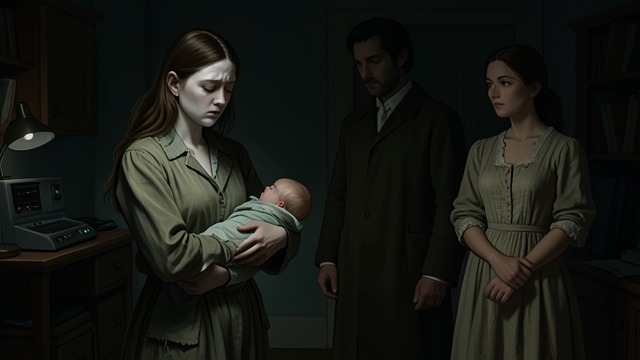
A Birth Outside Approval
Rejection within a family
Bill Furlong’s mother becomes pregnant at sixteen while working as a domestic. Her own people make clear that they will no longer support her.
A social sentence
The rejection leaves her dependent on her employer’s intervention. It anticipates the pressures faced by girls whose pregnancies are treated as disgrace rather than a reason for care.
A Child Marked at School
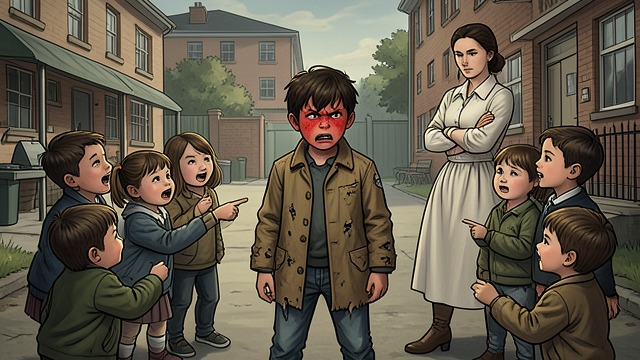
A Child Marked at School
Cruel treatment
Bill Furlong is jeered at school and comes home with spit on his coat. His connection to the Wilson household provides some protection but does not remove the stigma.
Shame passed onward
The treatment shows that social judgment reaches children born outside accepted family structures. The memory informs Bill Furlong’s later sensitivity to children and girls left unprotected.
Girls Named by Rumor
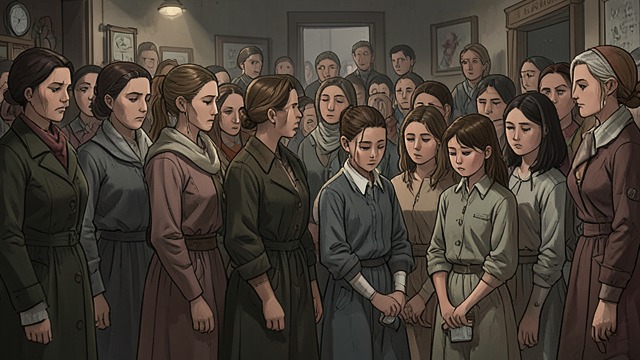
Girls Named by Rumor
A label instead of a life
Residents describe the convent’s girls as immoral or in need of reform, even while hearing stories of hard labor and confinement. The labels make abuse easier to rationalize.
Respectability protected
The girls are discussed as a category rather than as individuals. Social stigma helps the institution conceal coercion behind claims of correction and moral order.
Sarah Reduced to an Incident
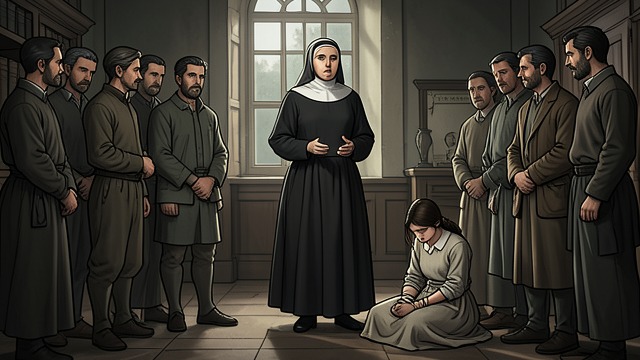
Sarah Reduced to an Incident
A girl’s account displaced
The Mother Superior describes Sarah Redmond as confused and turns her confinement into an alleged game. The explanation redirects attention from her injuries and separation from her baby.
The authority of shame
Sarah has limited power to dispute the account in front of those who control her. The institution’s story can prevail partly because the community already regards girls like her as blameworthy.
Public Exposure in the Snow
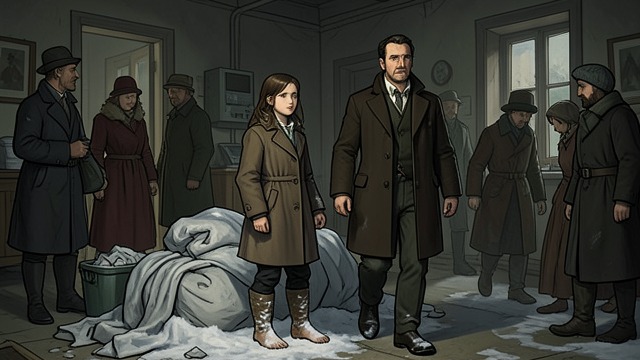
Public Exposure in the Snow
A stigmatized girl seen
People notice Sarah’s bare feet and recognize her connection to the laundry. Some avoid her or make remarks, while most continue on without asking how she came to be there.
The label challenged
Bill Furlong’s public escort does not erase social stigma, but it refuses to let Sarah’s institutional label determine whether she deserves help. Her personhood becomes visible beside him.
1946
Bill Furlong’s school years
December 1985
the Sunday before Christmas morning
Christmas Eve night
